

wet room glass panels
How to Close the Water Valve A Step-by-Step Guide Closing a water valve is a crucial skill for homeowners and renters alike. Whether you are tackling a plumbing issue, preparing for maintenance, or simply trying to conserve water, knowing how to properly shut off your water supply is essential. This article will guide you through the steps necessary to close a water valve safely and effectively. Why You Might Need to Close the Water Valve There are several scenarios in which you may need to close your water valve. Common reasons include 1. Plumbing Repairs If you are fixing a leaky faucet, changing out a toilet, or repairing pipes, it’s important to close the valve to prevent water from flowing and creating a mess. 2. Emergencies In the event of a burst pipe or severe leak, turning off the water can help minimize damage to your home. 3. Seasonal Maintenance For those living in colder climates, it may be necessary to shut off the water to outdoor faucets to prevent freezing and cracking during winter. Identifying Your Water Valves Before you can close a water valve, you need to know where they are located. There are usually two types of valves in a typical household 1. Main Shut-off Valve This valve controls the water supply to your entire home. It is typically located near the water meter or where the main water line enters your house. 2. Individual Shut-off Valves These valves control the water supply to specific fixtures, such as sinks, toilets, and appliances. They are usually located close to the fixture they serve. Step-by-Step Instructions to Close the Water Valve Now that you are familiar with the types of valves, here is how to close them how to close the water valve 1. Gather Necessary Tools You may not need any tools for most valves since they can often be operated by hand. However, having a wrench or pliers nearby can be helpful for more stubborn valves. 2. Locate the Valve Find the appropriate valve that you need to close. If it's the main shut-off valve, look for a round wheel or a lever. For individual fixtures, check under the sink, behind the toilet, or near appliances. 3. Turn Off the Valve - For a Round Wheel Valve Turn the handle clockwise (right) to close it. You may need to use some force if it hasn’t been turned in a while. - For a Lever Valve Switch the lever 90 degrees to the right (or perpendicular to the pipe) to shut off the water. 4. Test the Valve Once closed, turn on a faucet connected to the same line to check if water is still running. If it stops, you've successfully closed the valve. 5. Address Any Issues If the valve is leaking or difficult to turn, you may need to consult a plumber to avoid any complications. Do not force a valve that is stuck, as this could cause damage. Conclusion Knowing how to close the water valve is an important home maintenance skill. Whether you are performing repairs, tackling leaks, or mobilizing for seasonal changes, securely shutting off your water supply helps protect your property, save water, and mitigate potential damage. Always remember to check your valves periodically to ensure they remain in good working condition. With these steps, you will be well-equipped to manage your water supply efficiently.
about
wet room glass panels
Understanding Pilot Check Valves Function, Applications, and Benefits In the realm of fluid control systems, the pilot check valve is a crucial component that plays a significant role in maintaining system integrity and efficiency. Unlike standard check valves that solely prevent reverse flow, pilot check valves offer advanced functionality, making them indispensable in various industrial applications. What is a Pilot Check Valve? A pilot check valve is a type of check valve equipped with a pilot mechanism that allows for controlled operation. The primary function of this valve is to prevent backflow while also enabling flow in one direction under specific conditions. This dual functionality is achieved through the integration of an additional control element, which can respond to changes in pressure, allowing for precise regulation of fluid flow. How Does it Work? The operation of a pilot check valve is relatively straightforward yet highly effective. When fluid flows in the designated direction, the valve opens, allowing the fluid to pass. However, in the event of a pressure drop or reversal of flow, the pilot mechanism activates, causing the valve to close. This action effectively prevents backflow, safeguarding downstream components and maintaining system pressure. The pilot mechanism can be adjusted based on system requirements, allowing operators to set the threshold pressures for valve operation. This capability grants engineers significant flexibility in designing systems that require specific flow conditions, thereby enhancing overall efficiency. Applications of Pilot Check Valves Pilot check valves are widely used across various industries due to their versatility and reliability . Key applications include 1. Hydraulic Systems In hydraulic machinery, these valves control fluid flow in systems such as excavators, forklifts, and mobile equipment, ensuring that the hydraulic fluid doesn't flow back when not required. 2. Water Management In municipal water systems, pilot check valves prevent backflow that could contaminate the water supply, ensuring clean and safe water delivery to consumers. pilot check valve 3. Chemical Processing In the chemical industry, maintaining the integrity of fluid systems is vital. Pilot check valves help manage chemical flows, preventing backflow that could lead to dangerous spills or reactions. 4. Oil and Gas These valves are also prominently used in the oil and gas sector, where they help ensure proper flow direction and pressure control in pipeline systems. 5. Cooling Systems In HVAC applications, pilot check valves help regulate the flow of coolant, preventing backflow that could lead to inefficiencies and damage to the system. Benefits of Pilot Check Valves The incorporation of pilot check valves into fluid systems presents numerous advantages - Enhances System Safety By preventing backflow, these valves protect equipment and systems from potential damage, ensuring safer operations. - Improves Efficiency The ability to control flow direction and pressure optimizes system performance, reducing energy consumption and operational costs. - Flexibility in Design Engineers can customize pilot check valves to meet specific system requirements, enhancing the overall functionality of fluid control systems. - Reduces Maintenance Needs With their reliable operation and effective backflow prevention, pilot check valves can lead to reduced wear and tear on system components, lowering maintenance frequency and costs. Conclusion In summary, pilot check valves are essential components in numerous industrial applications, offering enhanced functionality and reliability compared to standard check valves. Their ability to control fluid flow direction while preventing backflow significantly contributes to the efficiency and safety of various systems. As industries continue to evolve and demand more sophisticated fluid control solutions, pilot check valves will undoubtedly remain pivotal in optimizing performance across a myriad of applications. Understanding their operation and advantages is crucial for engineers and operators aiming to design and maintain highly effective fluid systems.
-

High quality industrial productsagement

High quality industrial products
View Details -

Meet the diverse needs of customers

Meet the diverse needs of customers
View Details -

Strict quality control

Strict quality control
View Details -

Top raw materials

Top raw materials
View Details -

Trusted supplier

Trusted supplier
View Details
Our application


news and information

workbench fabrication table for efficient welding projects and workspace organization
The Importance of a Workbench Welding Table in Modern Fabrication In the realm of metalworking and f

use of thread gauge
The Use of Thread Gauges Ensuring Precision in Manufacturing In the world of manufacturing and engin
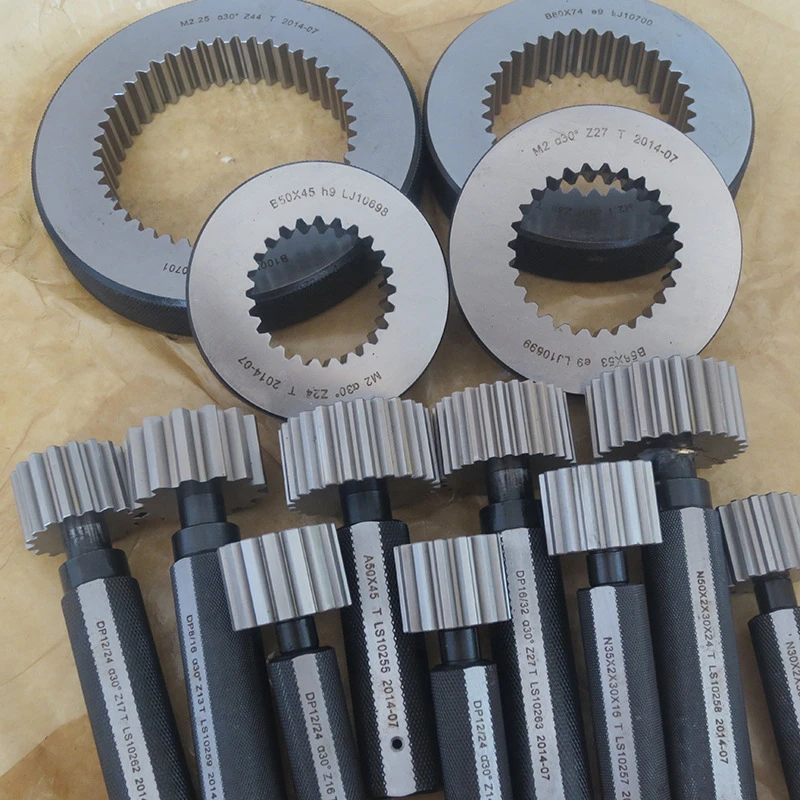
Using Ring Gauge for Precision Measurements in Quality Control Testing
The Importance of Ring Gauges in Quality Control In the world of manufacturing and engineering, prec
 English